Founder Story

A life restarted. A mission built from faith, survival, service, and purpose.

Restarting The Heart did not begin as a brand exercise. It began with a heart stopping, a family praying, strangers and first responders acting, a survivor waking five days later, and a belief that God left more work to be done.

The testimony behind RTH

The story matters because it is not a polished origin story written after the fact.

It is the lived account of a coach and father whose life changed in seconds and who then had to confront what survival really means. Lawrence has never described the experience as something he accomplished alone. In the published book, gratitude repeatedly returns to God, family, prayer, his church community, the neighbor who began CPR, the firefighters who continued the response, and the people who helped him rebuild.

That distinction is important. Restarting The Heart is not built around the message that one person was strong enough to overcome everything. It is built around a more demanding lesson: life can change without warning; people need one another; preparation matters; faith can carry a person through uncertainty; and a second chance creates an opportunity to serve.

Faith as my anchor

For Lawrence, the medical survival story and the faith testimony cannot be separated.

In his published account, Lawrence writes that he has been saved since 2015 and describes Christian Faith Fellowship as his home church. During the coma and recovery, his family, children, pastor, church family, and members of the hospital community prayed. He describes waking up not merely as a medical milestone, but as a moment that deepened his conviction that his life still had purpose.

Jeremiah 29:11 became one of the scriptures he carried through recovery. Its message of hope and a future helped shape the question that would eventually become the RTH mission: if he had been given more time, what should he do with it?

Every second. Every person.

The testimony also has names, actions, and a chain of people who refused to stand still.

The published story recognizes neighbor Patrick Roche Jr. for beginning CPR and Columbia Fire Department Engine 14 for continuing the resuscitation response and using an AED. Lawrence’s gratitude toward first responders and ordinary people willing to act became a practical part of RTH’s emphasis on preparedness, CPR awareness, AED access, and community readiness.

Faith

Prayer, scripture, gratitude, and the belief that God still had purpose for his life became a foundation for how Lawrence understood survival.

People

Family, neighbors, first responders, clinicians, friends, coaches, athletes, and a church community each carried part of a recovery no one person could carry alone.

Purpose

The second chance became a responsibility to educate, advocate, prepare, create, mentor, and turn painful experience into something that could help someone else.

From testimony to ecosystem

How one survivor story became Restarting The Heart.

The timeline below separates the founder’s lived experience from the later educational, research, and technology work it inspired.

01

Before May 2018

A coach, mentor, father, and builder already living a life of service.

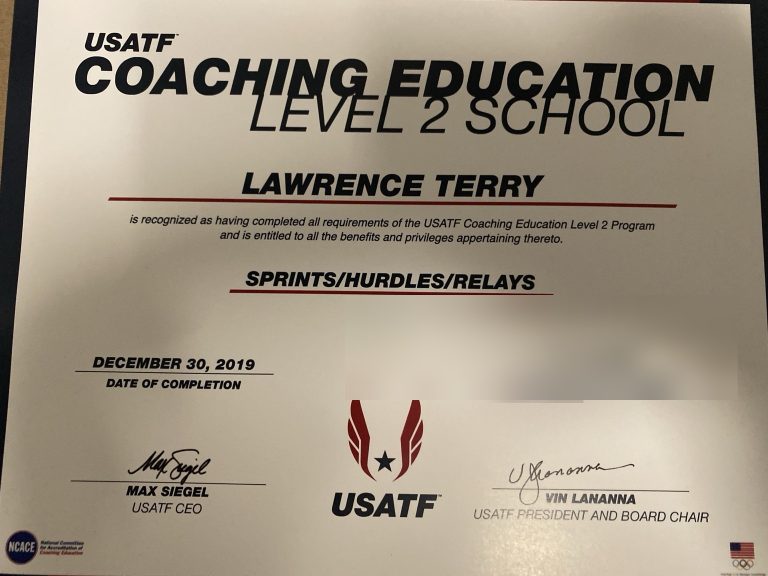
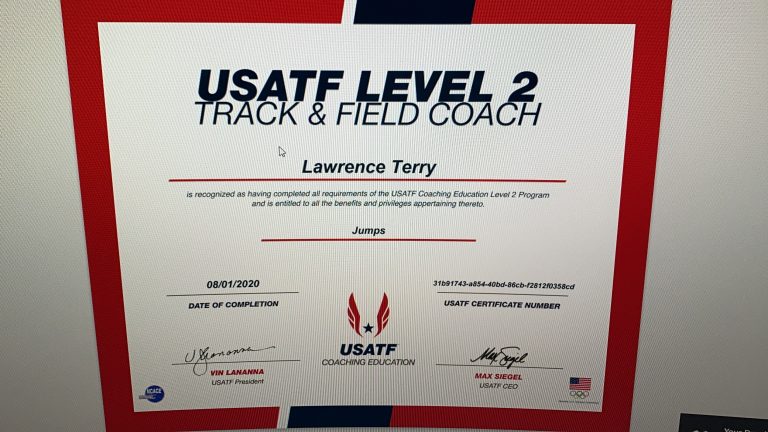
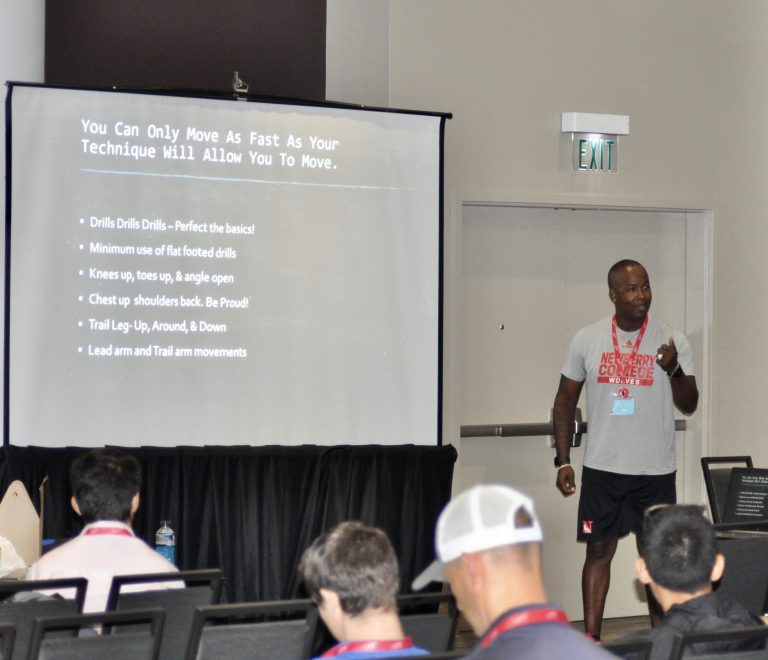
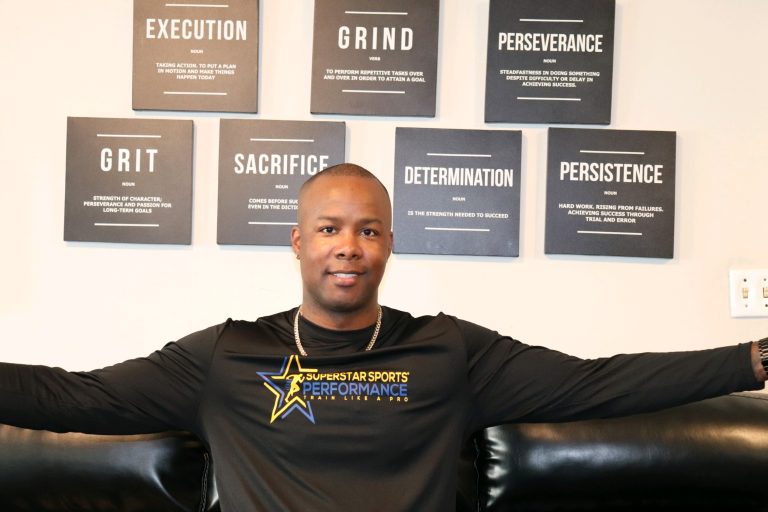
Long before Restarting The Heart had a name, Coach Lawrence “Superstar” Terry had spent years developing athletes, mentoring young people, building ideas, and trying to help others move forward. His identity was rooted in coaching, family, faith, responsibility, and the belief that talent means more when it is used in service to other people.

02

May 2, 2018

An ordinary day became the day everything changed.

At age 33, after work, track practice, and cutting his grass, Lawrence collapsed in his driveway from sudden cardiac arrest. His neighbor Patrick Roche Jr. began CPR. Columbia Fire Department Engine 14 continued the resuscitation response and used an AED. Lawrence was transported to the hospital and remained in a coma for five days.

03

Five days later

He woke up to a life he would have to learn how to live again.

Survival did not mean that everything immediately returned to normal. Recovery brought physical weakness, cognitive changes, fear, unanswered questions, and a different understanding of what a second chance actually requires. Family, friends, medical professionals, first responders, and his church community became part of the recovery story.

04

Faith as the anchor

The testimony was never only about a heartbeat restarting.

In Restarting The Heart, Lawrence describes faith as his anchor. He credits God, prayer, his family, Christian Faith Fellowship, and the people placed around him with helping him endure the uncertainty that followed. His own interpretation of surviving is deeply personal: the second chance carried a responsibility to live with greater purpose, gratitude, service, and urgency.

05

From survival to service

A second chance became a call to action.

Lawrence began turning what happened to him into education and advocacy—especially around CPR, AED awareness, survivor support, preparedness, disability access, emotional recovery, and the realities families face after a major health crisis. The goal was no longer simply to recover. It was to make the experience useful to somebody else.

06

Publishing

Restarting The Heart gave the story a permanent home.

The published Restarting The Heart book combines personal testimony with survivor and caregiver education, recovery tools, preparedness, advocacy, gratitude, faith, and purpose. It is the first published RTH title and the narrative foundation from which later books, workbooks, public resources, and educational materials have grown.

07

Children, athletes, and families

The mission expanded beyond one survivor.

Heart Heroes, school and team preparedness resources, athlete-development concepts, survivor tools, and family-facing materials extend the same core idea: people should have understandable information, practical tools, and encouragement before and after difficult moments. RTH youth work uses age-appropriate education, participation, empathy, courage, and service rather than medical or character scoring.

08

Research questions

Lived experience raised questions that demanded more disciplined study.

Over time, Lawrence’s longitudinal observations led to the Neurocardiac Model™, an evidence-informed, hypothesis-generating framework examining how meaningful inputs, central processing, autonomic response, neurohormonal response, and cardiac expression may interact. The founder case can generate questions and hypotheses; it does not by itself prove population-level medical causation.

09

Responsible technology

Fragmented records and lived experience became a product problem to solve.

SuperstarIQ is being developed to help organize longitudinal records, wearable information, context, provenance, uncertainty, and evidence into clearer review-ready information. The product remains in development and validation and is not presented as a diagnostic, treatment, predictive, emergency-monitoring, or return-to-play system.

10

Today

The work continues because the testimony is still being written.

Restarting The Heart now spans public education, publishing, advocacy, community impact, research development, responsible technology, disability access resources, youth engagement, speaking, and survivor support. The common thread is the same one Lawrence describes in his book: survival is not the finish line. What matters is what a person does with the life, time, knowledge, and opportunity that remain.

Read the origin story

Restarting The Heart — Available Now

The published book is the fuller first-person account of survival, recovery, faith, family, mental and physical rebuilding, preparedness, advocacy, gratitude, and the decision to turn a second chance into service.

View / Buy the book on Lulu →